
 IFAS Extension

Publications

Risk Assessment for Open or Partially Open Produce Packinghouses
Taylor O'Bannon, Taylor O'Bannon, Prachi Pahariya, Kaitlyn Koviack, Michelle Danyluk, Keith Schneider, andRenée Goodrich-Schneider
In recent years, third-party food safety audits have placed greater scrutiny on open-air or partially open produce packinghouses and packing facilities. These facilities are often used for commodities that require only seasonal packing, and they may be multi-purpose (e.g., for offseason equipment storage). While food safety risks can sometimes be more difficult to control in these settings, a proper risk assessment and the implementation of food safety practices and environmental monitoring can be effective in identifying and reducing risks. These facilities must complete a documented risk assessment to identify and control any food safety hazards relevant to facility location and adjacent land use. Completing a thorough risk assessment includes assessing risks and hazards, determining their severity and likelihood, and establishing control measures or mitigation practices.

Silky Cane Weevil, Metamasius hemipterus sericeus (Olivier) (Insecta: Coleoptera: Curculionidae)
Robin Giblin-Davis, T. Weissling, T. Weissling, Robin Giblin-Davis, andElena Rhodes
This document provides a comprehensive overview of the silky cane weevil, Metamasius hemipterus sericeus. It details the weevil's distribution, physical characteristics, life cycle, host range, and the damage it causes to sugarcane and ornamental palms. The article discusses the economic impact of infestations, management strategies including chemical and biological control, and the challenges in population assessment and trapping. Emphasis is placed on the importance of integrated pest management to mitigate the damage caused by this pest.

The Basics of Hydrophobic Coatings
Kaitlyn Koviack, Otto Simmons, Joseph Masabni, Luis Cisneros-Zevallos, Mustafa Akbulut, andKeith Schneider
Hydrophobic coatings can help farm machinery, tools, and equipment shed water more easily, reducing moisture buildup that can lead to rust, corrosion, and contamination. These coatings create a thin, water-repellent layer on surfaces, preventing water, mud, and debris from sticking during field operations or washdowns. By keeping equipment drier and cleaner, hydrophobic coatings may improve sanitation, reduce wear, and make routine maintenance easier. This is one part of a series of fact sheets on the basics of hydrophobic coatings, their properties, and their use in agriculture. This work is in collaboration with Texas A&M University and North Carolina State University.

The Use of Hydrophobic Coatings in Agriculture
Kaitlyn Koviack, Otto Simmons, Joseph Masabni, Luis Cisneros-Zevallos, Mustafa Akbulut, andKeith Schneider
Hydrophobic coatings can help farm machinery, tools, and equipment shed water more easily, reducing moisture buildup that can lead to rust, corrosion, and contamination. These coatings create a thin, water-repellent layer on surfaces, preventing water, mud, and debris from sticking during field operations or washdowns. By keeping equipment drier and cleaner, hydrophobic coatings may improve sanitation, reduce wear, and make routine maintenance easier. This is one part of a series of fact sheets on the basics of hydrophobic coatings, their properties, and their use in agriculture. This work is in collaboration with Texas A&M University and North Carolina State University.

Grass Root-Knot Nematode Meloidogyne graminis Whitehead, 1968 (Nematode: Chromadorea: Rhabditida: Meloidogynidae)
William Crow
The Featured Creatures collection provides in-depth profiles of insects, nematodes, arachnids and other organisms relevant to Florida. These profiles are intended for the use of interested laypersons with some knowledge of biology as well as academic audiences.

Nematodes of Backyard Deciduous Fruit and Nut Crops in Florida
William Crow andJimmy Rich
ENY-055, a 6-page illustrated fact sheet by Jimmy R. Rich, Robert A. Dunn, and Peter C. Andersen, provides an introduction to nematodes for the homeowner, with sections discussing why nematodes are a pest, what they do to fruit crops, what kinds of nematodes affect fruit trees in Florida, how to tell if a problem comes from nematodes, how to manage nematodes, and key considerations. Includes a table of fruit crops and nematodes most likely to affect them in North Florida.

Dagger Nematode Xiphinema spp. (Cobb, 1913) Inglis, 1983 (Nematoda: Enoplea: Dorylaimia: Dorylaimina: Xiphinematinae)
William Crow andTesfamariam Mekete Mengistu
The Featured Creatures collection provides in-depth profiles of insects, nematodes, arachnids and other organisms relevant to Florida. These profiles are intended for the use of interested laypersons with some knowledge of biology as well as academic audiences.

Belonolaimus longicaudatus Rau (Nematoda: Chromadorea: Rhabditida: Dolichodoridae)
William Crow
The Featured Creatures collection provides in-depth profiles of insects, nematodes, arachnids and other organisms relevant to Florida. These profiles are intended for the use of interested laypersons with some knowledge of biology as well as academic audiences.

Nematode Management on Athletic Fields
William Crow
Turfgrasses are essential components of many athletic fields, racetracks, and parks. Plant-parasitic nematodes can damage athletic fields by weakening turf root systems and causing turf to pull up during play, which can create dangerous conditions for players. To help keep turf and athletes healthy, this revised 7-page fact sheet explains how to spot and manage a nematode problem in an athletic field.

Nematode Management for Golf Courses in Florida
William Crow
Explains what plant-parasitic nematodes are, how they affect turf, how to know if they are a problem, and how to manage them on a golf course.

Florida 4-H Secretary Record Book
Sarah Hensley andStacey Ellison
This book should serve as a good guide for you to follow and outline your club's goals, plans for the year, as well as keep records of what your club has done.

Nematodes of Backyard Deciduous Fruit and Nut Crops in Florida
William Crow andJimmy Rich
ENY-055, a 6-page illustrated fact sheet by Jimmy R. Rich, Robert A. Dunn, and Peter C. Andersen, provides an introduction to nematodes for the homeowner, with sections discussing why nematodes are a pest, what they do to fruit crops, what kinds of nematodes affect fruit trees in Florida, how to tell if a problem comes from nematodes, how to manage nematodes, and key considerations. Includes a table of fruit crops and nematodes most likely to affect them in North Florida.

A Practical Guide to Biofertilizers for Florida Growers
Jehangir Bhadha, Md Shakil Uddin, Hamed Arfania, Suraj Melkani, Md Anik Mahmud, Berson Valcin, Julien Beuzelin, andFlavia dos Santos
There has been a keen interest in the field of row-crop production for growers to use biofertilizers as an alternative to conventional inorganic options. This publication introduces the subject and provides end-users with the information needed to make their own decision on whether to use biofertilizers in their farming program. This publication is intended for growers, crop consultants, Extension agents, and researchers alike who may be interested in the topic of biofertilizers and their application.
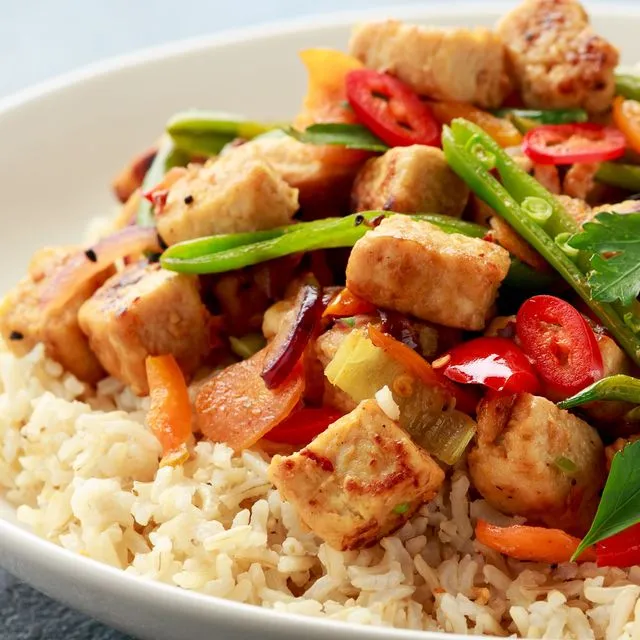
Mycoprotein: A Fungal Protein for Modern Diets
Marina Axentii, Jiyan Aslan Ceylan, Roxanne Valle, Matthew Smith, andJuan Andrade Laborde
Mycoprotein is a protein-rich food ingredient produced from fungi through controlled biomass fermentation. It is gaining attention as part of diversified, modern diets. Unlike proteins derived from plants and animals, mycoprotein comes from fungi. The name mycoprotein references fungal mycelium, the naturally fibrous growth structure of fungi. Mycoprotein is consumed as whole fungal biomass rather than as an extracted protein isolate. It has a unique nutritional profile that combines protein, essential amino acids, and dietary fiber, while being low in saturated fat and free of cholesterol. As interest in sustainable food choices that support both human health and environmental stewardship has grown, mycoprotein has emerged as a potential contributor to resilient food systems.

Phytophthora Crown Rot of Strawberry
Juliana Baggio, Natalia Peres, Marcus Marin, andJuliana Baggio
Phytophthora crown rot, caused mainly by Phytophthora cactorum, is an important disease in Florida strawberry fields.

From Reactive to Proactive Stormwater Pond Management: Practical Guidelines for HOA Leaders, Contractors, Developers, and Environmental Practitioners
Cody Gusto, Cody Gusto, Paul Monaghan, andBasil Iannone III
Residential stormwater ponds are engineered to manage runoff, reduce flooding, and protect downstream water quality, but their performance often depends on community decisions made after construction. This publication translates findings from a structured expert consensus study into practical guidance for homeowner association leaders, community association managers, contractors, developers, Extension professionals, and water quality advocates. It identifies common reasons stormwater pond management becomes reactive and outlines strategies for making proactive management more routine, including reducing nutrient inputs, using visible best management practices, improving budgets and contracts, strengthening contractor oversight, and communicating strategically during community transitions.

Keeping It Clean: Controlling Mildew
Amanda Griffin, Mary Harrison, Randall Cantrell, andAmanda Griffin
Mildew is a mold that can grow and cause damage to your health and home. You should be concerned about mildew because it makes respiratory problems, like asthma, worse.

Characterization of Muscadine Grape Varieties Grown in Florida
Fariborz Habibi andAli Sarkhosh
Muscadine (Muscadinia rotundifolia Michx.) is a fruit crop native to the southeastern United States and well adapted to Florida’s warm and humid climate. Muscadine grapes are valued for their tolerance to pests, diseases, and environmental stresses as well as for their nutritional properties and distinctive flavor. Considerable variability exists among commercial muscadine varieties in berry size, peel color, soluble solids content, yield potential, and harvest timing. This publication provides an overview of muscadine vine botany, key attributes for variety selection, and the horticultural characteristics of several important varieties grown in Florida. Selected varieties include ‘Supreme’, ‘Paulk’, ‘Alachua’, ‘Southern Home’, ‘Noble’, ‘Carlos’, ‘Granny Val’, ‘Gold Delight’, ‘Triumph’, and ‘Hall’. The information presented here can assist growers, Extension agents, and industry stakeholders in selecting suitable varieties and improving muscadine production systems in Florida.

Nematode Management in Potatoes (Irish or White)
Zane Grabau andJoseph Noling
This article is a UF/IFAS numbered peer reviewed Management for Commercial audiences in support of the UF/IFAS Extension program: Integrated Pest Management. This article reviews plant-parasitic nematode management in Florida potato production.

Cottage Food in Florida
Sarah Ellis, Jennifer Hagen, Soohyoun Ahn, andMatthew Krug
Florida’s cottage food law allows individuals to prepare, package, store, and sell certain non-potentially hazardous foods from their primary residence without obtaining a food permit from the Florida Department of Agriculture and Consumer Services (FDACS). Cottage food operations can provide an affordable way to start a food business; however, operations are responsible for understanding and complying with applicable food safety, labeling, sales, recordkeeping, and local business requirements. This publication explains the key provisions of Florida’s cottage food law, including allowable and prohibited products, sales and labeling requirements, local compliance considerations, and frequently asked questions. The publication is intended to help current and prospective cottage food operators make informed business decisions and avoid common compliance issues.

Utilizing Listening Sessions to Strengthen Educational Programming: An Introduction to Key Components and Best Practices
Maegan Beatty andChristy Chiarelli
This publication is the first in a two-part series focusing on listening sessions and their role in strengthening nonformal educational programming. This first article provides a brief overview of listening sessions and their key components. Written by Maegan Beatty and Christy Chiarelli, and published by the UF/IFAS Department of Agricultural Education and Communication, October 2026.

Healthy Horse Vital Signs
Sally DeNotta andCarissa Wickens
This infographic shows normal horse vital signs that can be compared to your horse’s vital signs during times of illness or injury.

Physical Exam of the Horse
Sally DeNotta andCarissa Wickens
This infographic discusses components of a thorough equine physical exam, such as assessment of capillary refill time, pulse, lameness, hydration, gut sounds, temperature, and respiration.

Barriers, Challenges, and Solutions to Implementing the Sanitary Sewer Services Provisions of Florida House Bill 1379
Ricky Telg, Karlibeth Leitheiser, Mackenzie Atkins, Lisa Krimsky, Yilin Zhuang, Andrea Albertin, Don Rainey, andMary Lusk
UF/IFAS Extension, in partnership with the UF/IFAS Center for Public Issues Education in Agriculture and Natural Resources (PIE Center), conducted a statewide needs assessment through focus groups with government and industry stakeholders. This publication provides an overview of the research findings, including the challenges and barriers to implementing House Bill 1379 Environmental Protection (HB 1379), potential ways to address them, and communication and credible sources of information to explain HB 1379, as identified by research participants. Written by Ricky Telg, Karlibeth Leitheiser, Mackenzie Atkins, Lisa Krimsky, Yilin Zhuang, Andrea Albertin, Donald Rainey, and Mary Lusk, and published by the UF/IFAS Department of Agricultural Education and Communication, October 2026.

Acacia de vaina orejuda: una amenaza invasora para Florida
Sara Salgado MacDonald, Telmah Telmadarrehei, andCarey Minteer
Acacia auriculiformis, conocida como acacia de vaina orejuda, es un árbol invasor de rápido crecimiento que amenaza los ecosistemas nativos de Florida, particularmente los humedales de baja elevación como los Everglades. Introducida originalmente como planta ornamental, la acacia de vaina orejuda ahora desplaza la flora nativa, altera los ciclos del nitrógeno y reduce la biodiversidad. Los métodos actuales de control mecánico y químico son costosos y tienen una aplicación limitada a pequeña escala. El modelado de nicho ecológico muestra el potencial de esta especie para expandirse por el sureste de Estados Unidos y otras regiones. Las investigaciones en curso sobre agentes de control biológico, como Trichilogaster sp., ofrecen perspectivas prometedoras para su manejo a largo plazo. La participación del público, la detección temprana y la educación son fundamentales para limitar la propagación de esta especie invasora y proteger los ecosistemas de Florida.