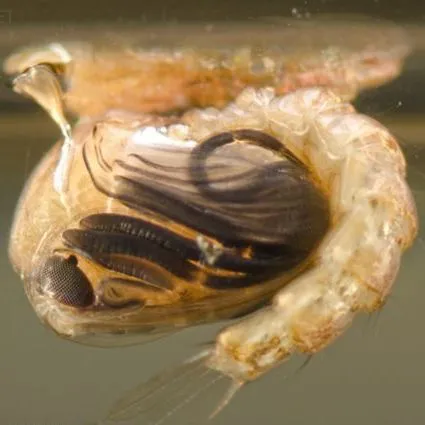
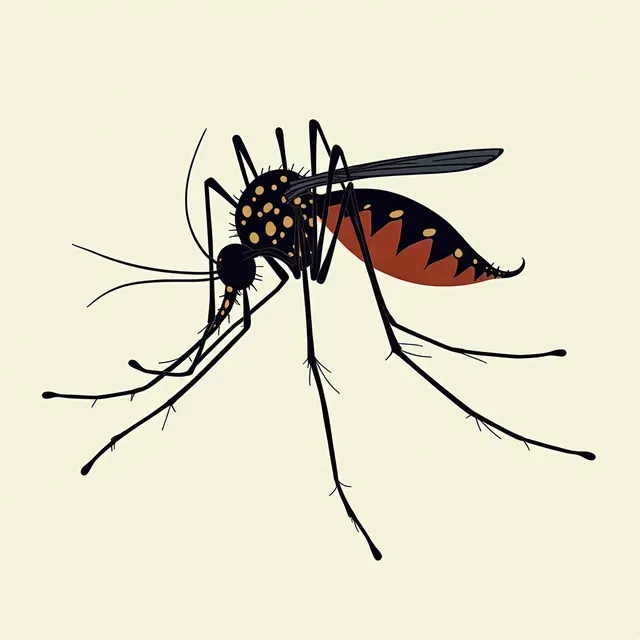
Anopheles squamosus (Theobald, 1901) (Insecta: Diptera: Culicidae: Culicine)
Valerie T. Nguyen, Olivia R. Magaletta, andYoosook Lee
The genus Anopheles, the marsh mosquitoes, comprises approximately 500 species, only a few of which are capable of transmitting malaria parasites. With the global consorted efforts to eliminate malaria, some regions and countries are in or are approaching the malaria elimination phase, but residual malaria transmissions still linger in other, malaria pre-elimination countries. These transmissions may be vectored by lesser-known mosquito species such as Anopheles squamosus, one of the most abundantly caught anopheline species in malaria vector surveillance studies in southern African countries. Though An. squamosus is predominantly recognized as a zoophilic species, it has been discovered to be highly anthropophilic in certain areas, particularly in Southern Zambia. Additionally, Plasmodium falciparum, the causal agent of human malaria, has been detected in An. squamosus. These factors position An. squamosus as a potential primary vector of malaria in some pre-elimination zones.