Alligators, Raccoons, and Bats Underfoot: Wildlife Living in Stormwater Sewers
Alan A. Ivory II, Kody M. Brock, Lillian Martin, Anessa Goodhard, Victoria M. Donovan, andSteve A. Johnson
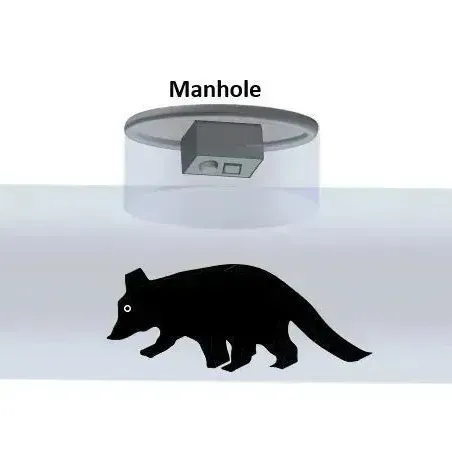
This publication explains how wildlife use the urban ecosystem and sewers. Cities reduce natural spaces for wildlife, but animals adapt by using human-made structures in surprising ways. Sewers designed to move stormwater provide hidden habitats and travel corridors for a variety of wildlife. In Alachua County, camera traps documented 35 species, including raccoons, opossums, bats, birds, reptiles, and invertebrates, using sewers for shelter, foraging, and safe movement under roads. Some species, like raccoons and bats, roosted or denned inside the pipes. Sewer design, pipe size, water flow, and surrounding development influenced which animals were present. While sewers benefit urban wildlife, they also pose risks: animals become trapped during floods or maintenance. Knowing that animals use the stormwater systems, homeowners and city managers can act to protect both animals and people by, for instance, installing ramps or screens to reduce entrapments.