Mangrove Trimming Regulations
Bethany J. Lee, Alyssa Vinson, Armando Ubeda, Savanna Barry, andAnna Braswell
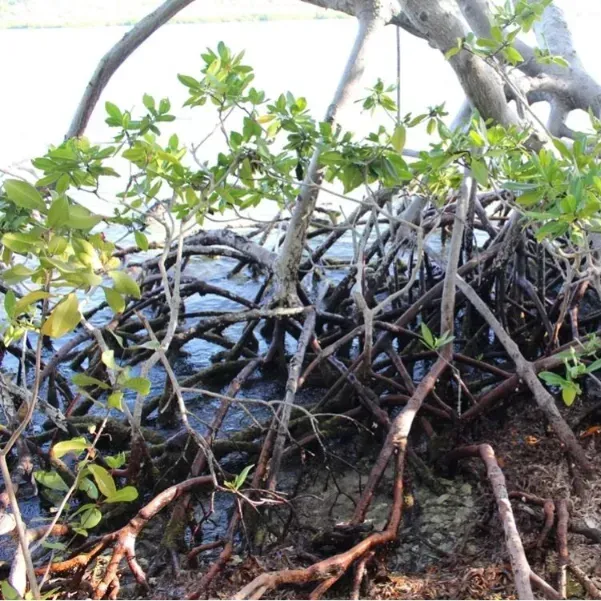
Mangroves are salt-tolerant coastal trees that sequester carbon, filter water, act as buffers from storms, and provide habitat for wildlife. In Florida, three native species—Rhizophora mangle (red mangrove), Avicennia germinans (black mangrove), and Laguncularia racemosa (white mangrove)—each with unique adaptations to salinity and hydrology, thrive along distinct zones of the intertidal gradient. As mangrove ecosystems migrate northward with climate change, their ecological value and economic value grow. But they face growing threats from development, pollution, and mismanagement. Improper trimming practices can harm mangroves' health and resilience, especially along developed coastlines. This publication aims to educate landowners, property managers, and the public on the ecological importance of mangroves, while providing best practices for responsible trimming and long-term preservation.