
 IFAS Extension

Fire Ants Management in Industrial Hemp
Nkem J. Nwosu, Hardeep Singh, Zachary Brym, Lakesh Sharma, Ethan Carter, Alexandra M. Revynthi, and Lance Osborne
Related Collections
9 publications
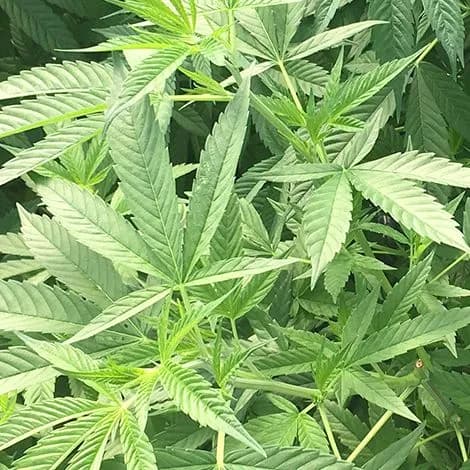
Hemp is Cannabis sativa with delta-9 tetrahydrocannabinol that does not exceed 0.3% Hemp is a regulated agricultural commodity at state and federal level. Hemp in Florida is regulated by the FL Department of Agriculture and Consumer Services Division of Plant Industries: Hemp Cultivation Licensing.
Hemp is predicted to have a high risk of invasion in natural areas according to the UF/IFAS Assessment of Non-Native Plants in Florida's Natural Areas and may be problematic as an agricultural weed. FDACS requires an Environmental Containment and Transportation Plan with licensing application, pre-harvest sampling, and notice of harvest.
Related Topics

Native to central South America, red imported fire ants are established in the U.S. and Australia. Its sting is 95% alkaloid venom, which causes both the pain and white pustule that appears about a day after the sting occurs. In urban settings, they may nest under patio slabs, in lawns, under edges of sidewalks, foundations, concrete driveways, and electrical boxes. After a heavy rain, the colony may move to higher ground or inside homes to take refuge from saturated soil. They also reduce ground-nesting populations of rodents and birds.

UF/IFAS is working to identify varieties and planting recommendations that can be profitable for growers and environmentally responsible, with variety trials to find marketable hemp that grows well in Florida‹s diverse soils, climates, latitudes. Economic research is being conducted to find the input costs and expected market value. Additionally, we are conducting a study for risk of invasiveness.
UF/IFAS Web Resources
Related Units

Publication #SS-AGR-481


