
Introduction
This palm, native of the dense rain forests of Mexico and Guatemala, is one of the best indoor chamaedoreas, tolerating crowded roots and low light levels (Fig. 1). Since lower leaves drop from the plant as it grows, older palms have all their foliage on top of the bright green, shiny stem. It grows five to eight feet tall but is usually kept smaller by pruning the stem back nearly to the ground. Growing very slowly, this pale green, single-stemmed palm is most effective when potted three or more to a container. It can also be an effective accent plant in a ground hugging ground cover in a small scale garden. While excellent when used for a house plant, parlor palm can also be used outdoors in a shady understory setting as an accent. The showy stems are bright green.

General Information
Scientific name: Chamaedorea elegans
Pronunciation: kam-ee-DOR-ee-uh EL-uh-ganz
Common name(s): parlor palm, neanthe bella
Family: Arecacea
Plant type: palm
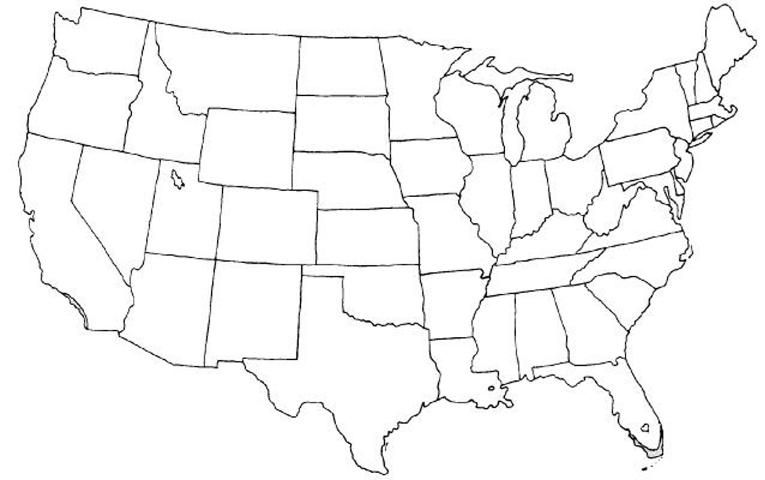
USDA hardiness zones: 10B through 11 (Fig. 2)
Planting month for zone 10 and 11: year round
Origin: native to North America
Uses: container or above-ground planter; suitable for growing indoors; border; accent
Availability: somewhat available, may have to go out of the region to find the plant
Description
Height: 4 to 8 feet
Spread: 2 to 3 feet
Plant habit: palm; upright
Plant density: open
Growth rate: slow
Texture: medium
Foliage
Leaf arrangement: alternate
Leaf type: even-pinnately compound
Leaf margin: entire
Leaf shape: lanceolate
Leaf venation: parallel
Leaf type and persistence: evergreen
Leaf blade length: 4 to 8 inches
Leaf color: green
Fall color: no fall color change
Fall characteristic: not showy
Flower
Flower color: white
Flower characteristic: flowers periodically throughout the year
Fruit
Fruit shape: round
Fruit length: less than .5 inch
Fruit cover: fleshy
Fruit color: black
Fruit characteristic: inconspicuous and not showy
Trunk and Branches
Trunk/bark/branches: showy; usually with one stem/trunk
Current year stem/twig color: green
Current year stem/twig thickness: not applicable
Culture
Light requirement: plant grows in the shade
Soil tolerances: slightly alkaline; clay; sand; acidic; loam
Drought tolerance: moderate
Soil salt tolerances: poor
Plant spacing: 18 to 24 inches
Other
Roots: usually not a problem
Winter interest: no special winter interest
Outstanding plant: not particularly outstanding
Invasive potential: not known to be invasive
Pest resistance: long-term health usually not affected by pests
Use and Management
Organic soil is preferred, and parlor palm should be fertilized regularly. Best growth occurs in shaded locations away from direct sunlight.
Propagation is by seed.
Pests and Diseases
Mites, nematodes, and scales can be a problem, especially when used indoors.
No diseases are of major concern.