
 IFAS Extension

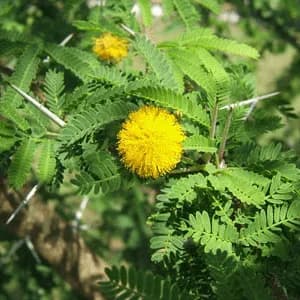
Earleaf Acacia: An Invasive Threat to Florida
Sara Salgado MacDonald, Telmah Telmadarrehei, andCarey Minteer
Related Topics

Interspecific competition where native species are competing with nonnative species for resources (e.g., nutrients, space, water, etc.)

Related Units

The Department of Entomology and Nematology maintains tripartite priorities consistent with the mandate given to full-service landgrant universities and associated experiment stations: Research, Extension, and Academics. These programs are facilitated with state funding, extramural contract and grant funding, donations and gifts, and the collaborative efforts of cooperating agencies and institutions. The Department has coordinated faculty efforts and strengths into what could be considered major thrust areas for the Department. These areas of emphasis include: Behavior, Ecology, and Systematics; Biological Control; Medical, Veterinary and Urban Entomology; Nematology; Pest Management; and Physiology, Biochemistry, and Genetics.

The UF/IFAS Indian River Research and Education Center, or IRREC in Fort Pierce, is one of the 13 IFAS research and education centers. IRREC is known internationally for cutting-edge research and a high quality educational program and provides regional leadership to agriculturalists with research and extension programs. Specific research areas include: water and nutrient management for citrus and flatwoods soils; epidemiology and control of leaf and fruit diseases of citrus; evaluation of citrus and vegetable cultivars in Florida; utilization of soil amendments; micro-irrigation of horticultural crops in humid regions; leadership in citrus, vegetable and water management state extension programs on the east coast of Florida; economic production of agricultural products; post-harvest handling and packing of agricultural products; biological control of invasive plants and aquaculture.

Also available in
Publication #ENY-2141


