
This document is part of a series originally authored by Edward Gilman.
Introduction
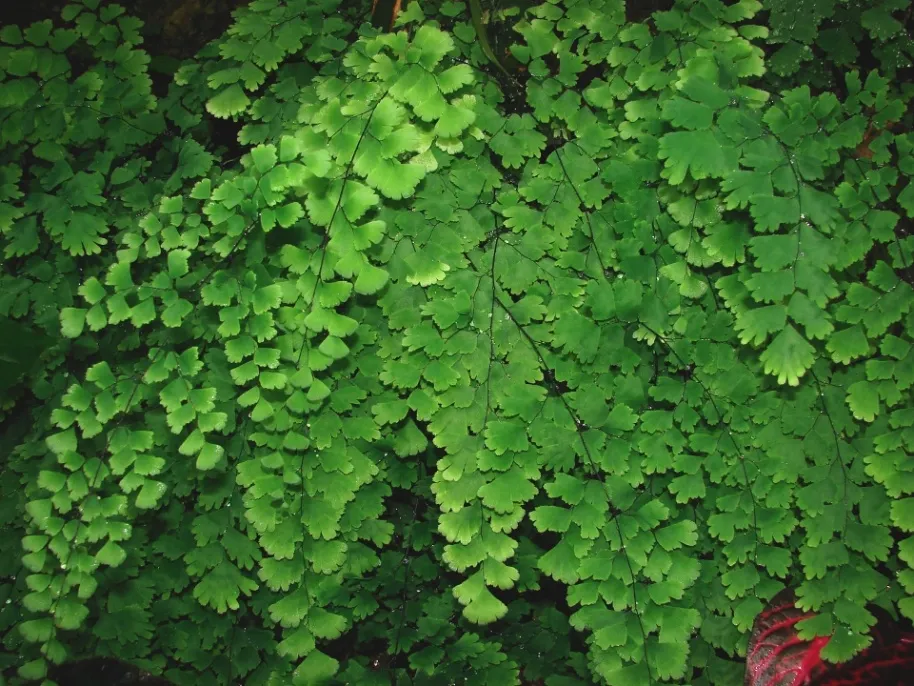
Maidenhair fern is an extremely fine-textured, delicate, herbaceous perennial, with light gray-green, soft foliage (Figure 1). It can reach a height and spread of 1 to 3 feet, depending upon the species (Figure 2, Table 1). This plant thrives in shaded, moist outdoor landscapes or bright, indirect light locations indoors. It is best planted in mass on 2- to 3-foot centers but may also be used as a specimen plant or edging in a small garden area. This plant makes an excellent groundcover, spreading easily on creeping stems. Maidenhair fern is also fitting for use in hanging baskets, containers, or as a houseplant. Southern maidenhair fern and brittle maidenhair fern are species native to Florida. A third species, fragrant maidenhair fern, is native to Florida, but endangered.

Credit: Ryan Fessenden
Credit: Ryan Fessenden
General Information
Scientific name: Adiantum spp.
Pronunciation: ad-ee-AN-tum species
Common name(s): maidenhair fern
Family: Pteridaceae
Plant type: perennial; herbaceous
USDA hardiness zones: 9A through 11B (Figures 3 and 4)
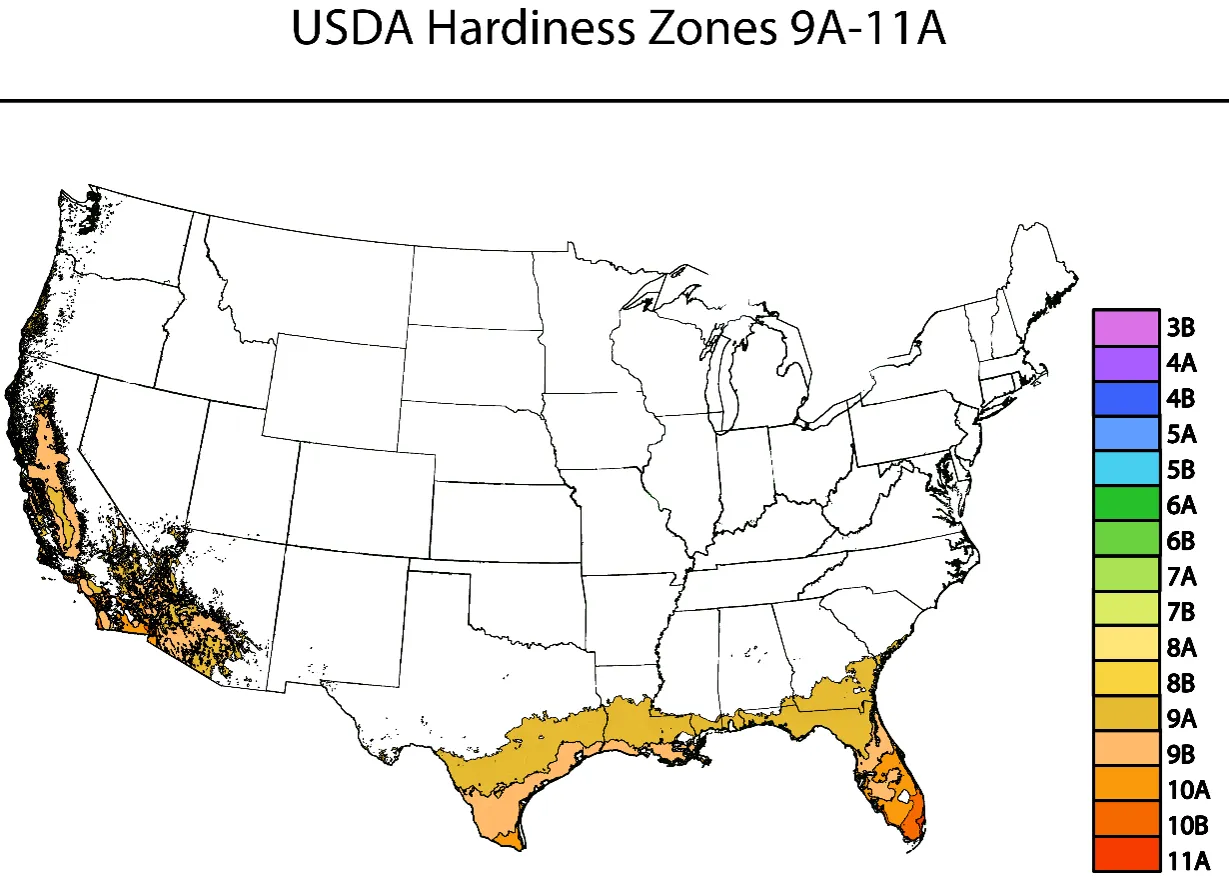
Credit: This map is based on the 2023 USDA Plant Hardiness Zone Map. Visit https://planthardiness.ars.usda.gov/ for specific zone information.

Credit: This map is based on the 2023 USDA Plant Hardiness Zone Map. Visit https://planthardiness.ars.usda.gov/ for specific zone information.
Planting month for zone 9: year-round
Planting month for zones 10 and 11: year-round
Origin: some species native to Florida
Invasive potential: not known to be invasive
Uses: mass planting; container or above-ground planter; ground cover; edging; indoor plant
Availability: grown in small quantities by a small number of nurseries
Description
Height: 1 to 3 feet; dependent upon species
Spread: 1 to 3 feet; dependent upon species
Plant habit: weeping; round
Plant density: moderate
Growth rate: slow
Texture: fine
Foliage
Leaf arrangement: most emerge from the soil, usually without a stem
Leaf type: odd-pinnately compound
Leaf margin: serrate
Leaf shape: orbiculate; ovate
Leaf venation: parallel
Leaf type and persistence: evergreen
Leaf blade length: less than 2 inches
Leaf color: green
Fall color: no fall color change
Fall characteristic: not showy
Flower
Flower color: not applicable
Flower characteristic: not applicable
Fruit
Fruit shape: not applicable
Fruit length: not applicable
Fruit cover: not applicable
Fruit color: not applicable
Fruit characteristic: not applicable
Trunk and Branches
Trunk/bark/branches: not applicable
Current year stem/twig color: not applicable
Current year stem/twig thickness: not applicable
Culture
Light requirement: plant grows in the shade; plant grows in partial shade
Soil tolerances: occasionally wet; acidic; clay; sand; loam
Drought tolerance: poor
Soil salt tolerances: poor
Plant spacing: 18 to 24 inches
Other
Roots: not applicable
Winter interest: evergreen foliage adds winter interest
Pest resistance: long-term health usually not affected by pests
Use and Management
Maidenhair fern grows in partial to full shade on well-drained soils with high organic matter. It does not tolerate dry soil and requires above average humidity. The southern maidenhair and brittle maidenhair ferns grow best in alkaline soils, while other species grow best in acidic soils. These ferns will cascade over the side of a container in a shady garden spot. Maidenhair ferns may also be used as a groundcover, planted in mass, or used as edging.
Propagation is by division of rhizomes or by spores.
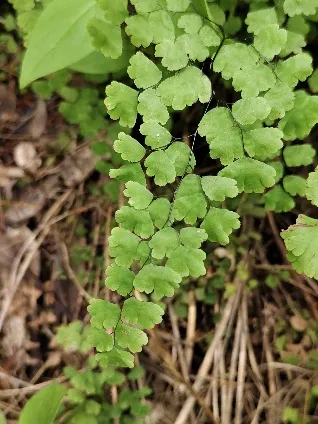
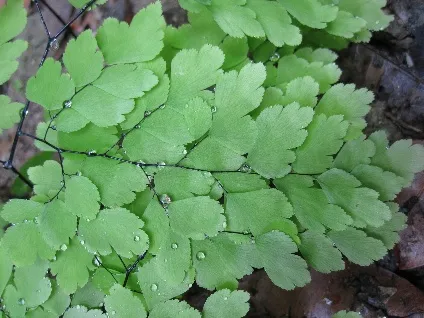
Table 1. Common species of maidenhair fern and their notable traits.




Design Considerations
The small size, tiny leaves, and delicate form of the maidenhair fern make it perfect for containers and small-scale special spaces in the landscape. Maidenhair ferns prefer moist sites in a landscape such as near natural water features, ponds, or fountains. Companion plants should have larger, smooth leaves to contrast with the tiny multiple leaves of the fern. Simple forms and dark green or smooth foliage of companion plants will highlight the delicate foliage. The medium green of the fern leaves will work well with different flower colors, but deep or bright colors will show better than light pastels. Simple small or medium-sized flowers will contrast more with the tiny foliage without adding too much detail.
Pests and Diseases
Pest issues include scale, mites, mealy bugs, snails, and slugs, but are usually not serious. No diseases of major concern. Maidenhair ferns are susceptible to root rot in soil that is kept too wet.